Source smoke grey flexible wine glasses for Bars, Hotels, and Events
Compare 30 listings of smoke grey flexible wine glasses from verified Chinese manufacturers. Buyers can evaluate specifications, certifications, and pricing for bar, hotel, and restaurant applications to find the best fit for their needs; compare the available evidence and request quotations based on your requirements.
Key considerations
Products List


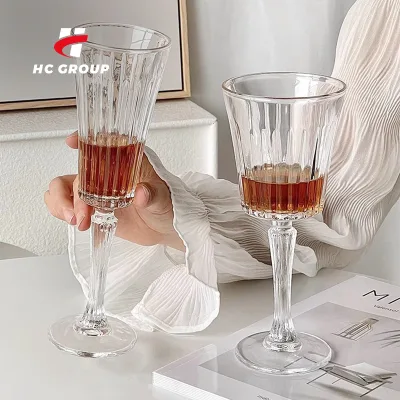


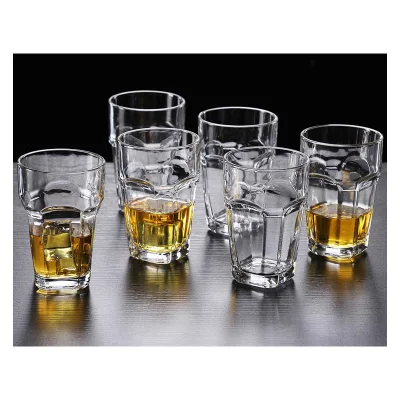


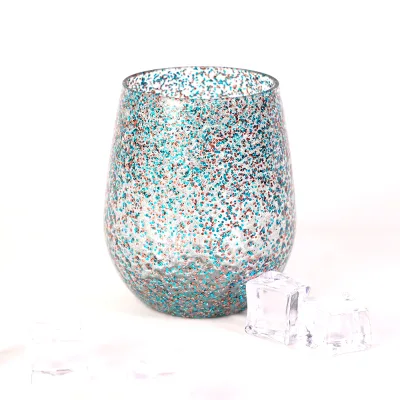
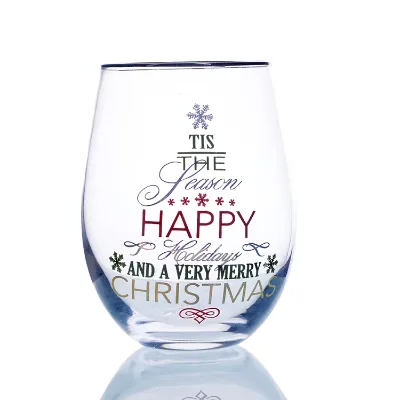



Comprehensive Sourcing Guide
Smoke Grey Flexible Wine Glasses Sourcing Guide
Procuring smoke grey flexible wine glasses requires distinguishing between rigid glass alternatives and true flexible polymers, as the supplied data indicates a mix of glass and plastic materials. While the core keyword suggests a specific aesthetic, the available product facts reveal items made from glass with irregular shapes and others constructed from PP plastic, which offers the necessary flexibility. Buyers must carefully align their visual requirements with the actual material composition to ensure the final product meets the intended use case for durability and safety.
The observed market signals show a wide range of customization options, including OEM services and logo printing, which are critical for branding flexible glassware. However, the presence of "tiny bubbles, watermarks, and streaks" in the product remarks suggests that manufacturing tolerances for flexible materials may vary significantly. Sourcing teams should prioritize suppliers who can demonstrate consistent color saturation in the smoke grey finish while maintaining the structural integrity required for repeated use in bar or hotel environments.
Product Scope and Observed Listing Signals
The product scope encompasses a diverse array of wine glass types, ranging from traditional champagne flutes to tapering glasses and specialized barware. The observed listings include models with specific dimensions like 6.2176cm and others reaching 220mm in height, indicating that flexibility is not a universal trait across all listed items. Buyers must verify whether the "flexible" attribute applies to the specific PP plastic models or if the glass items are merely marketed with a similar aesthetic but lack the bendable properties required for certain applications.
Listing signals also highlight significant variations in packaging and capacity, with some units holding 16 oz while others are defined by milliliter ranges of 201-300ml. The "Multicolor" and "Colored" attributes suggest that smoke grey is one of several available finishes, and the "Fancy" style indicates a potential for decorative elements that might compromise flexibility. Procurement teams should scrutinize the "prod_packing" details, such as foam and master box configurations, to ensure the chosen flexible glasses are protected adequately during transit without adding excessive weight or volume to the shipment.
Technical Specifications to Verify
Technical verification must begin with the material composition, specifically confirming the use of PP plastic for flexible models versus glass for rigid alternatives. The supplied data lists "Plastic Type: PP" alongside "Glass" materials, creating a critical distinction for buyers seeking bendable glassware. It is essential to request physical samples that demonstrate the degree of flexibility without cracking or permanent deformation, ensuring the product can withstand the mechanical stress of handling in high-volume settings like restaurants or events.
Dimensional consistency is another vital specification, as the observed standards range from top diameters of 52mm to 84mm and heights from 184mm to 220mm. Buyers should verify that the "Carton Dimension" data aligns with the actual product volume to optimize logistics costs, noting that some cartons measure 49.541.550cm while others are significantly larger at 654942cm. Additionally, the weight specifications of 100g and 115g per unit must be confirmed to ensure the glasses meet the desired balance and feel for the end-user, as lighter flexible materials may feel less premium.
Compliance and Safety Documentation
Compliance documentation is paramount when sourcing flexible wine glasses, particularly given the mix of certifications observed in the listings, including FDA, LFGB, and CE. These certifications indicate that the products are suitable for food contact, but buyers must ensure that the specific flexible models carry the relevant food-grade approvals for the target market. The presence of QS and ROHS certifications further suggests adherence to quality and environmental standards, yet verification is necessary to confirm these apply to the smoke grey flexible variants specifically.
Safety testing should also address the potential for chemical leaching, especially since the product remarks note visual imperfections like watermarks and streaks that could indicate inconsistent curing or material blending. Buyers should request test reports confirming that the flexible polymer does not release harmful substances when exposed to varying temperatures or acidic beverages. The "Reusable" attribute implies long-term safety, but this must be backed by data showing the material's resistance to degradation over multiple wash cycles and uses.
Cost Drivers and Commercial Terms
Cost drivers for smoke grey flexible wine glasses are heavily influenced by the material choice and the level of customization required. The observed MOQ range of 50 to 5000 units suggests that smaller orders may incur higher per-unit costs, while larger volumes could leverage economies of scale in the PP plastic molding process. Buyers should analyze the price range of 0.2 to 5.35 USD to understand how factors like color consistency, logo printing, and specific packaging methods impact the final landed cost.
Commercial terms must account for the variability in packing methods, which range from simple PE bags to complex inner and outer carton configurations. The "Customized" and "OEM" attributes indicate that branding services are available, but these often add to the production timeline and cost. Procurement teams should negotiate clear terms regarding lead times and payment schedules, ensuring that the supplier can accommodate the specific "prod_model" requirements without compromising the delivery schedule for high-volume orders.
Supplier Qualification and Quality Control
Supplier qualification should focus on manufacturers with proven experience in producing flexible plastic glassware and those capable of maintaining consistent color quality. The "Customization: Available" and "Customized: Customized" flags suggest that many suppliers offer tailored solutions, but buyers must verify their capacity to handle the specific "Smoke Grey" hue without batch-to-batch variation. Checking the "prod_origin" as China and the specific location in Guangdong can help identify regions with established supply chains for plastic molding and glass finishing.
Quality control protocols must address the noted production remarks regarding tiny bubbles and streaks, which are common in flexible materials but can affect aesthetic appeal. Buyers should implement a rigorous inspection plan that includes visual checks for surface defects and mechanical tests for flexibility and durability. The "Packing Method" details, such as 160 pieces per outer carton, provide a baseline for sampling strategies, ensuring that the final product meets the "Simple" and "Europe" style expectations while maintaining structural integrity.
Long-Term Procurement Checks
Long-term procurement checks should prioritize the durability of the flexible material under repeated use and cleaning cycles. Since the products are marked as "Non-Disposable" and "Reusable," buyers must monitor for signs of wear, such as clouding, cracking, or loss of flexibility, which could indicate material fatigue. Establishing a feedback loop with end-users in bar and hotel settings will provide real-world data on the product's lifespan and help refine future ordering specifications.
Sustainability is another critical factor for long-term success, as the product features include "Sustainable" attributes that may appeal to eco-conscious markets. Buyers should verify the recyclability of the PP plastic and ensure that the packaging materials, such as foam and master boxes, align with environmental goals. Regular audits of the supplier's production processes will help maintain compliance with evolving standards and ensure that the smoke grey flexible wine glasses remain a viable, high-quality option for the supply chain.
FAQs
What certifications do the glass products hold?
The products hold LFGB, FDA, CE, EU, and QS certifications. These ensure safety for food contact and compliance with international standards. Some items also meet ROHS requirements for restricted hazardous substances. Buyers should verify specific certification documents for each model before finalizing orders.
Can I request custom designs for these glasses?
Yes, customization is available for these glass products. Buyers can request customized logos and specific shapes like irregular forms. The OEM service accepts tailored requests for colors and styles. However, production lead times may vary based on the complexity of the custom design requirements.
What is the typical packaging method for these items?
Items are packed individually in PE bags with foam protection inside master boxes. Inner cartons hold 40 pieces while outer cartons contain 160 pieces. Some models use 12 pieces per inner box and 96 per carton. This method ensures safety during shipping and storage.
Are these glasses suitable for children or adults?
The product line includes options suitable for both adults and children. Specific models are designed for adult use, while others cater to children. The material is glass, which is durable but requires careful handling. Buyers should select the appropriate age category based on their target customer demographic.
What are the standard dimensions for these champagne flutes?
Standard dimensions vary by model, with sizes like 6.2 by 17 by 6 cm or 52 by 220 mm. Some models feature a top width of 78 mm and a height of 184 mm. Carton dimensions also differ, ranging from 49.5 by 41.5 by 50 cm to larger sizes. Specific measurements depend on the selected product model.
How much does the product weigh per unit?
Unit weights vary depending on the specific model and size. Some items weigh approximately 100 grams, while others are around 115 grams. The weight is influenced by the glass thickness and overall capacity. Buyers should check the specification sheet for the exact weight of their chosen model.
Where are these glass products manufactured?
These products originate from China, specifically from the Guangdong region. The manufacturing location ensures access to established glass production facilities. Buyers can expect consistent quality standards aligned with international export requirements. Origin details are critical for logistics planning and tariff calculations.